Introduction
Fasteners play a critical role in every industrial project. Choosing the right type ensures safety, durability, and long-term performance. For engineers and procurement teams, selecting the correct fastener is not just about size—it is about material, coating, strength, and application environment.
1. Understand the Application Environment
Before choosing fasteners, you need to consider where they will be used:
- Indoor or outdoor environment
- Exposure to moisture or corrosion
- High temperature or vibration conditions
- Load-bearing requirements
👉 Example: Outdoor equipment usually requires stainless steel or zinc-coated fasteners to prevent rust.
2. Choose the Right Material
Common fastener materials include:
- Carbon Steel – Strong and cost-effective
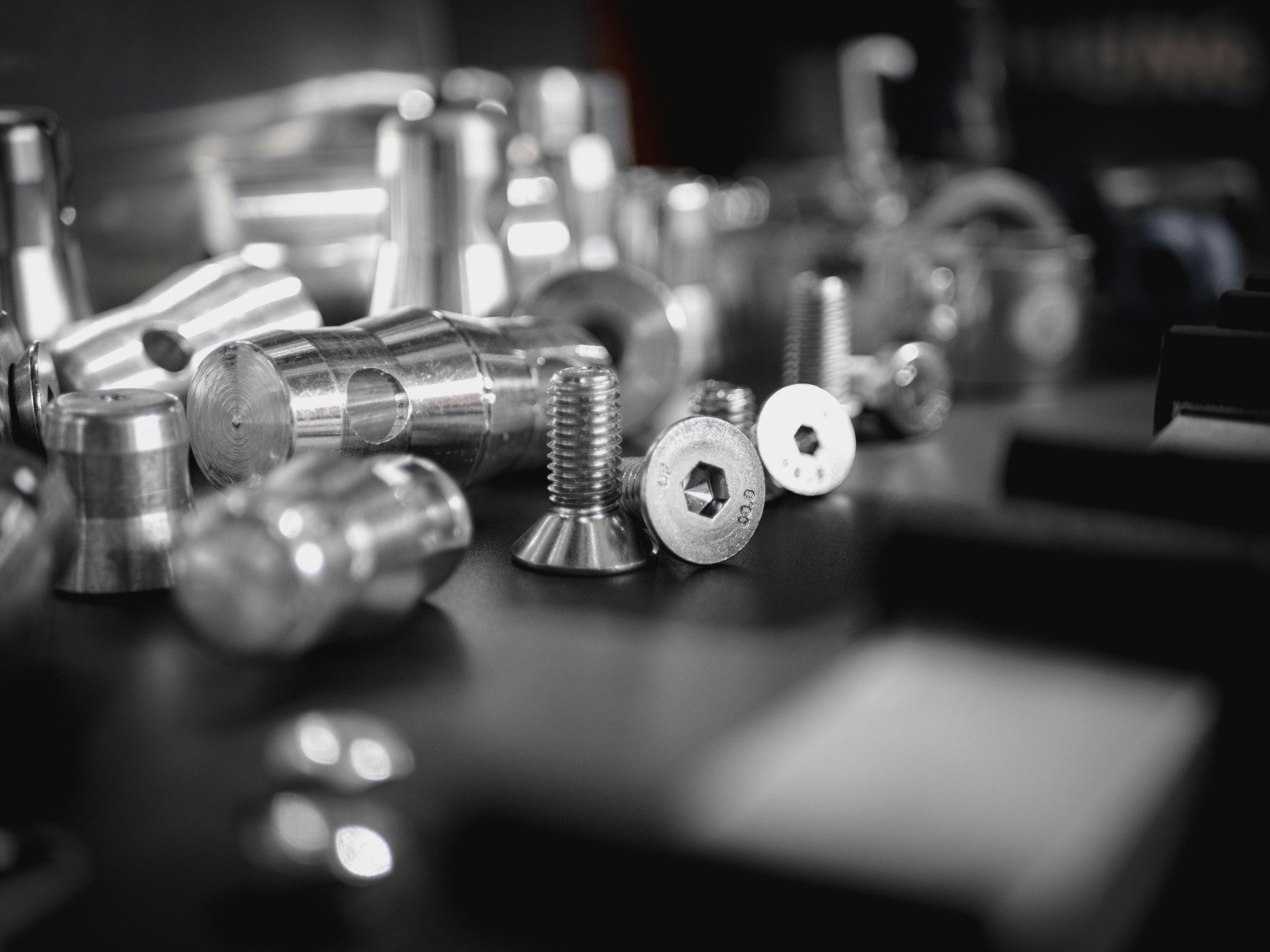
- Stainless Steel (304/316) – Excellent corrosion resistance
- Alloy Steel – High strength for heavy-duty applications
Each material has different performance in strength and durability.
3. Select the Proper Surface Treatment
Surface coating affects lifespan and corrosion resistance:
- Zinc Plating (Blue / Yellow / Black Zinc)
- Nickel Plating
- Dacromet Coating
- Black Oxide
👉 For harsh environments, Dacromet or stainless steel is recommended.
4. Consider Fastener Type
Different applications require different fasteners:
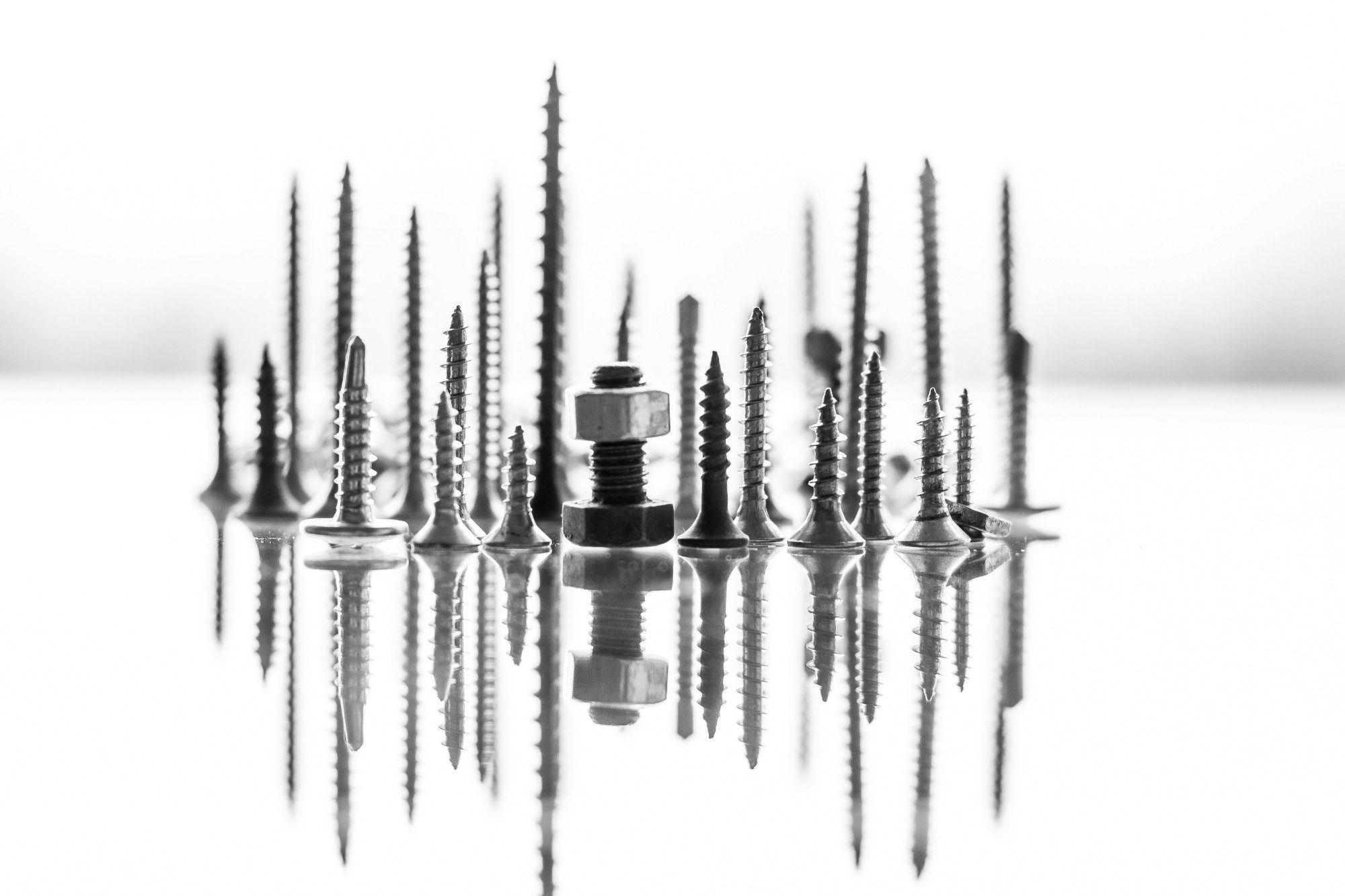
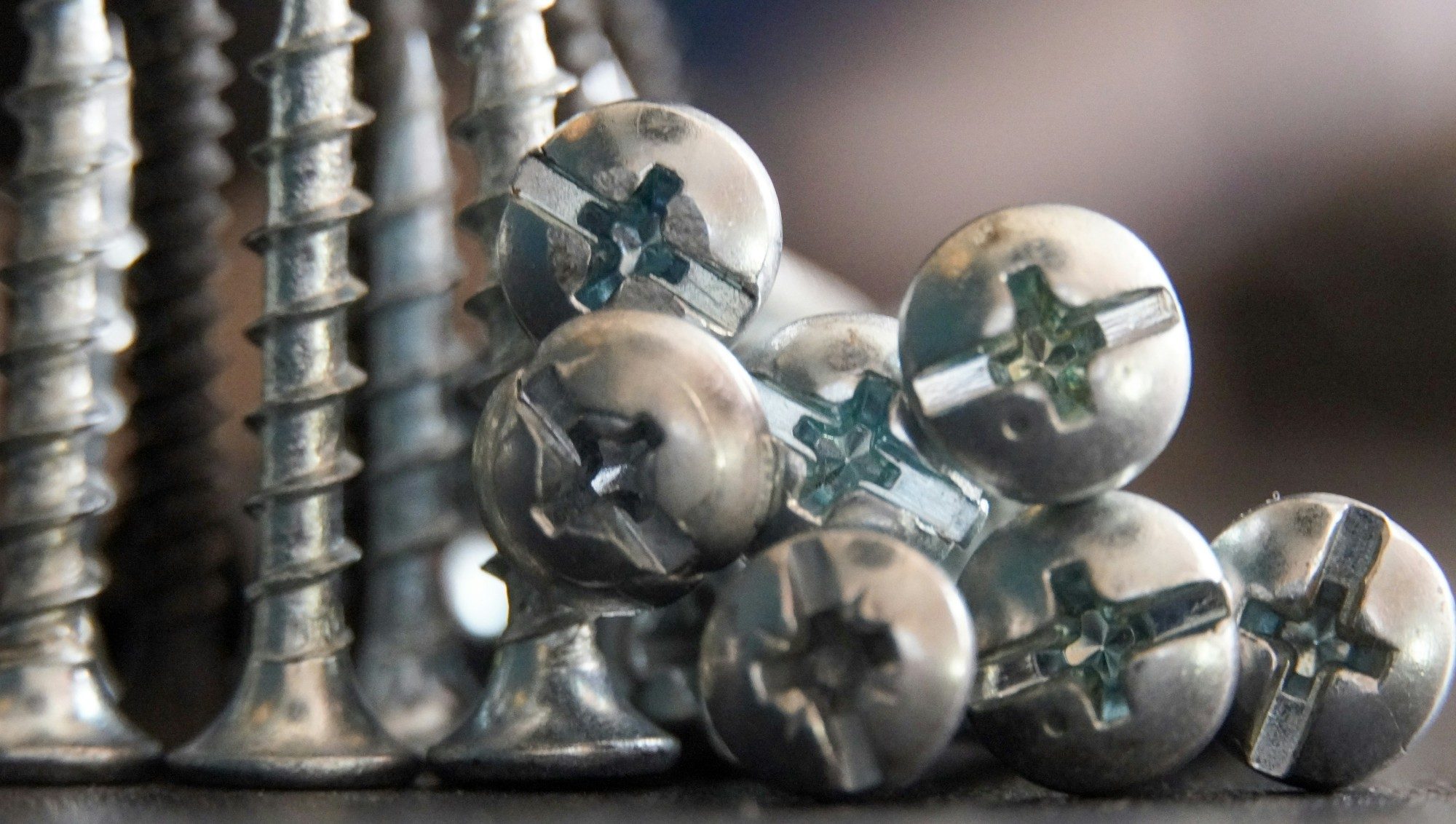
- Screws & Bolts – General assembly
- Rivets – Permanent fastening
- Nuts – Secure locking systems
- Pins – Positioning and alignment
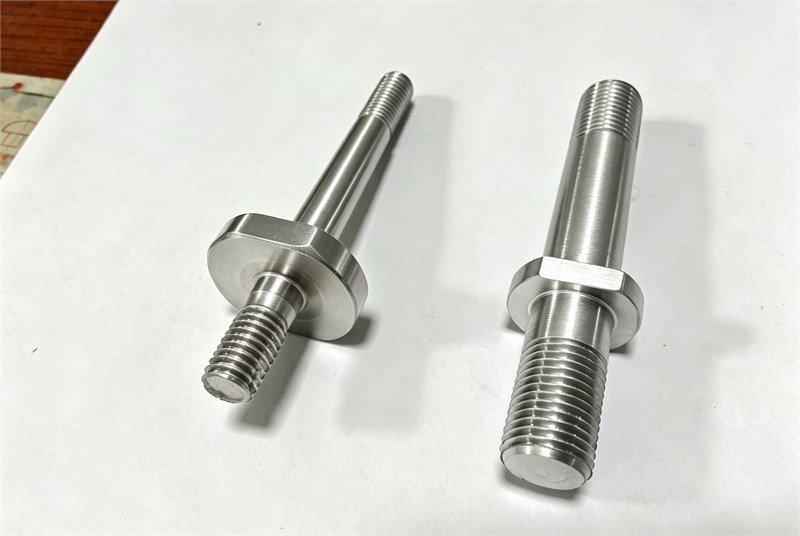
- Custom fasteners – Special engineering needs
5. Work with a Reliable Manufacturer
A stable supplier ensures:
- Consistent quality
- On-time delivery
- OEM/ODM customization
- Technical support
Conclusion
Choosing the right fastener improves safety and reduces maintenance cost. Always match material, coating, and design with your application requirements.